The Material Question
Could bamboo-derived fibers become a practical material for clothing worn against the skin?
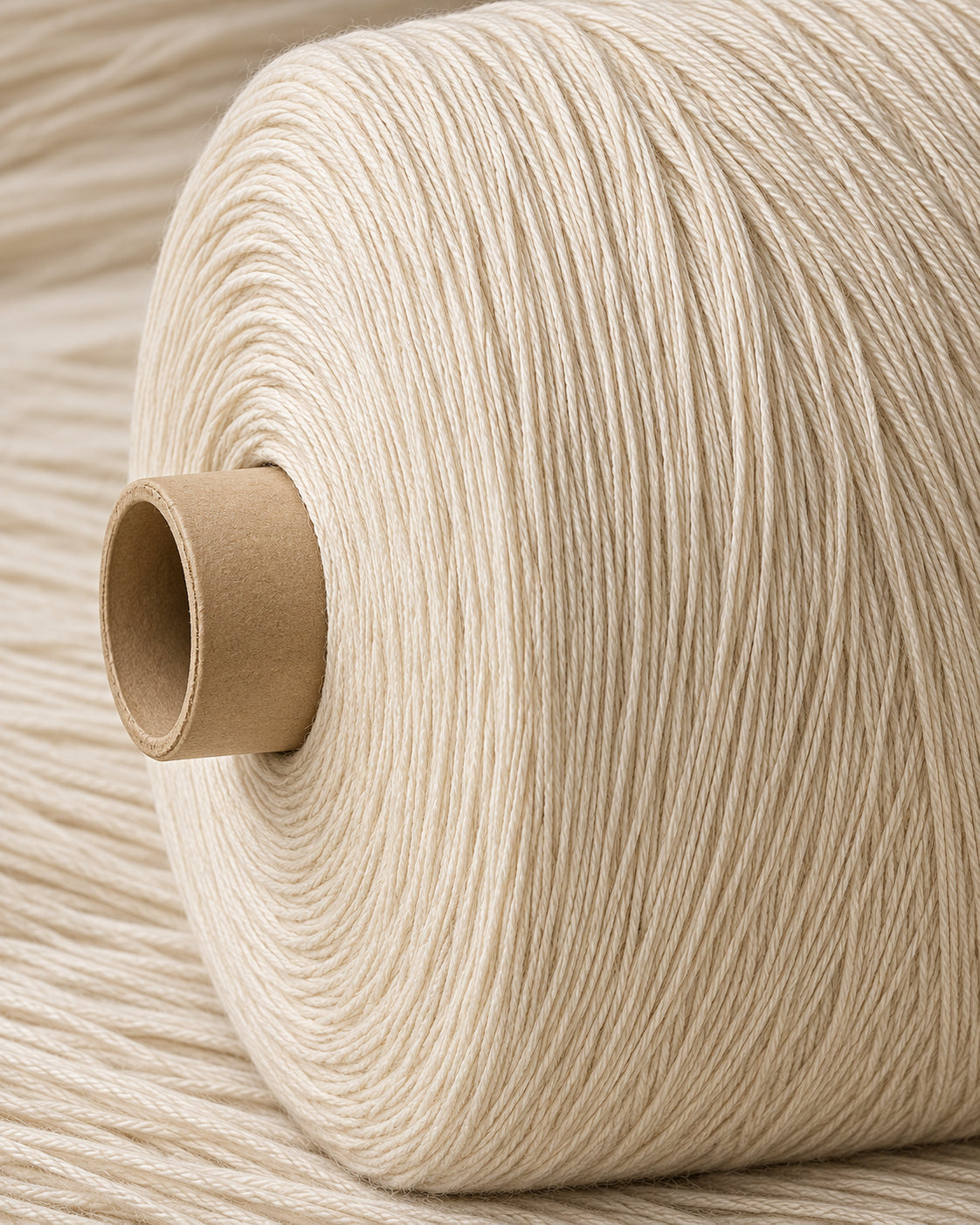
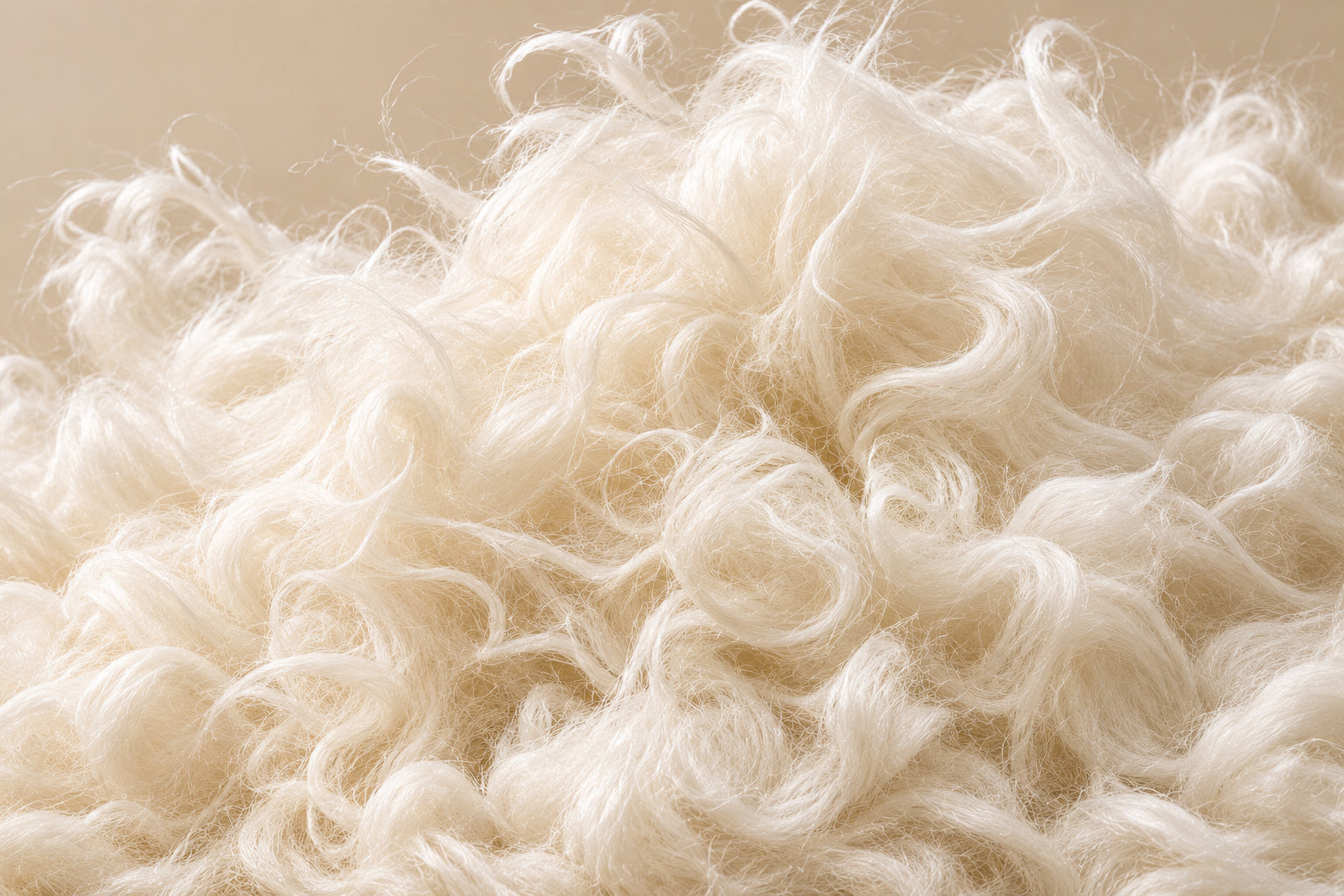
Early exploration focused on how bamboo-derived cellulose could be processed into wearable textile fibers.
STILLDRY is a new collection built on a textile-development history that began in 2006. Our focus: moisture, lingering odor and the everyday garments closest to your skin.

It's what happens afterward: a T-shirt that holds onto odor, fabric that feels damp against your back, or socks that stay uncomfortable inside your shoes.
Why do some clothes still smell after washing?
What makes fabric cling or feel damp after a long day?
How does the material behave after everyday use and care?
Those questions lead beyond the bamboo label — to fiber processing, blends, yarn, knitting and finishing.

Fiber selection affects the yarn. Yarn affects the knit. The knit and finish affect how the garment feels and wears.
See the fabric process ↗Milestones from our manufacturing partner's history, paired with the kinds of material questions each stage addresses.
Could bamboo-derived fibers become a practical material for clothing worn against the skin?
Early exploration focused on how bamboo-derived cellulose could be processed into wearable textile fibers.
A material can feel good in a sample and behave differently after hours of wear and repeated washing.
Early retail experience created opportunities to observe what customers actually noticed in everyday clothing.
One fiber alone cannot solve every problem. Hand-feel, stretch, durability and knit stability must work together.
Development expanded into natural-fiber blends, yarn selection and fabric construction.
How do you make a fabric feel lighter without losing the structure needed for daily use?
Bamboo-derived air-layer fabrics became part of the team's material-development work.
Softness is easy to promise, but the texture of a finished garment depends on more than the raw fiber.
Development of bamboo-derived and silk-blend fabrics broadened the material range.
Could new fabric constructions help address unwanted odor while remaining suitable for repeated wear?
Patent work included antibacterial textile technologies. Application to STILLDRY's current garments requires separate product-specific evidence.
Instead of building another large assortment, where should the material work matter most?
STILLDRY begins with T-shirts and low-cut ankle socks — two categories where sweat and moisture are everyday concerns.

The manufacturing partner behind STILLDRY has developed and commercially supplied apparel across everyday basics, underwear and other clothing categories.
That experience matters because fabrics have to work outside a lab: after washing, across seasons and through ordinary daily wear.
Two everyday categories where moisture and unwanted odor are especially noticeable.

Against the upper body, fabric can retain sweat and odor throughout the day. We're focusing on the material, fit and construction of an essential you wear repeatedly.

Feet spend hours inside shoes. A low-cut silhouette and careful material selection are central to the first STILLDRY sock collection.
Bamboo-derived cellulose is the starting point. Fiber processing, blending, knitting, finishing and construction determine what the finished garment is actually like.
Explore Our Fabric ↗